The Republic of Kazakhstan is a country located in Central Asia and Eastern Europe. It has a population of 20.5 million people and a land area of 2,724,910 km² (ranking 9th in the world by area and 62nd by population). It is the largest landlocked country in the world—a nation with no direct access to the World Ocean.
Situated in the heart of Eurasia, it lies between the Caspian Sea, the Lower Volga region, the Urals, Siberia, China, and Central Asia. It shares borders with Russia to the north and west, China to the east, and Kyrgyzstan, Uzbekistan, and Turkmenistan to the south. The country spans 2,963 km from east to west and 1,652 km from north to south.
The capital is Astana, and the largest city is Almaty. Other major cities include Shymkent, Aktobe, Karaganda, Taraz, Oskemen (Ust-Kamenogorsk), Pavlodar, Atyrau, Semey, and Aktau. Administratively, the country is divided into 17 regions (oblasts) and 3 cities of republican significance: Astana, Almaty, and Shymkent.
From the 13th century, the territory of Kazakhstan was part of the Mongol Empire under the rule of Genghis Khan; following the collapse of the Golden Horde, the Kazakh Khanate was established in 1465. The Russian Empire began its expansion into the Kazakh Steppe in the 18th century, and by the end of the 19th century, the greater part of the Great Steppe, as well as all of Western Turkestan, had been incorporated into Russia. On December 5, 1936, with the adoption of the second constitution of the USSR, the Kazakh ASSR—previously part of the Russian SFSR—was transformed into the Kazakh SSR, which became a constituent republic of the Soviet Union. On December 10, 1991, the Republic of Kazakhstan became the last of the USSR republics to gain independence.
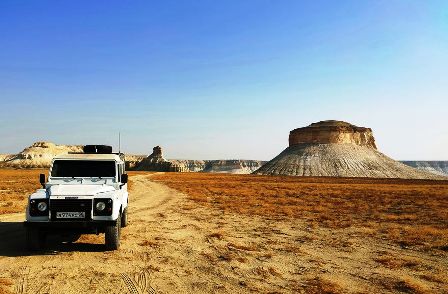
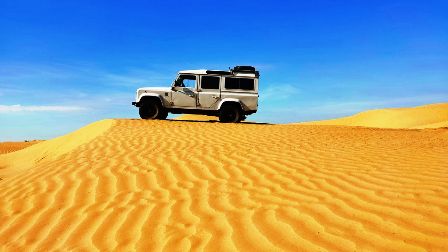
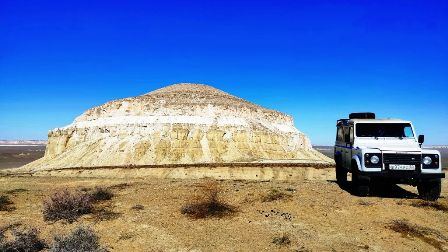
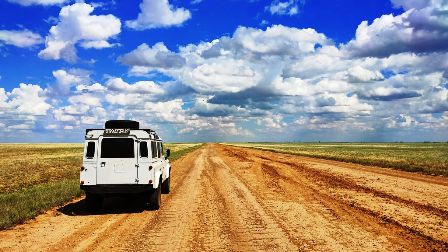
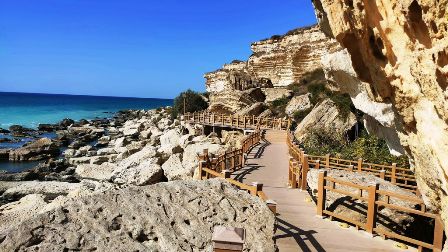


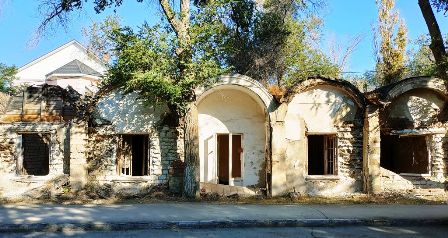

- Aktau Rocky Trail
- Ancient settlement Aktobe-Laeti
- Bozzhyra Valley in Mangistau
- Caravanserai Taskeshu
- Kulsary
- Morgan car in Atyrau
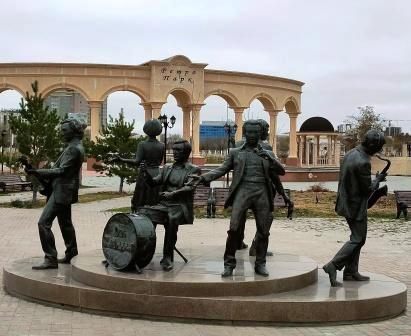
- Retro-Park Atyrau
- Road R-97 Zhanibek — Zhanagala
- Ryn-Peski or Ryn Desert
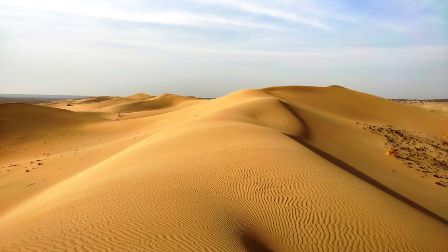
- Senek Sands small desert in the Mangystau
- Sherkala Mountain Mangystau
- Steam locomotive L-1048 Atyrau Kazakhstan
- Victory Park in Atyrau
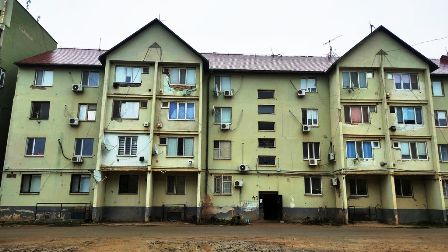
- Zhilgorodok — Guryev — Atyrau


Taipak, until 1996 known as Kalmykovo is a village in western Kazakhstan. It is the administrative center of Taipak Rural District, Akzhaik District in the West Kazakhstan Region. The former name Kalmyks was derived from the Kalmyks, who in the 16th century crossed the Urals at this point, then Yaik, during their mass exodus from Russia back to Dzungaria.


Saltanat Sarayi, Wedding Palace and Toyhana Saltanat Saray Atyrau.

Academic Kazakh Drama Theater named after Makhambet was founded on March 5, 1938 by the decision of the People’s Commissariat. After the 1-year theater studio at the Neftyanik club in Guryev and the Guryev Theater merged with regional Kazakh Drama Theater in Kyzylzhar (Petropavlovsk).

Isatay Taymanov Utemisov Makhambet Monument Atyrau, Kazakhstan.
In national liberation fight of the Kazakh people the important place is taken by revolt under leadership of Isatay Taymanov and Makhambet Utemisov. The first wave of performances passed in the Internal Horde in 1827 — 1829. The Kazakh auls came back to the Urals. Foreman Serkesh Zhaksybayev explained to the ataman of the Ural army to Borodino, «that as the transition reason to the Urals intolerable losses and oppressions serve from the khan; the tax from the people gathers several times in a year in incommensurable to justice and situation paying the size». Acute land crisis, tax burden, various cut-offs of the earth, feudal conflicts led in 1836 to revolt. Batyrs Isatay Taymanov and Makhambet Utemisov headed it.